Dog Park Safety and Etiquette Every Owner Should Know
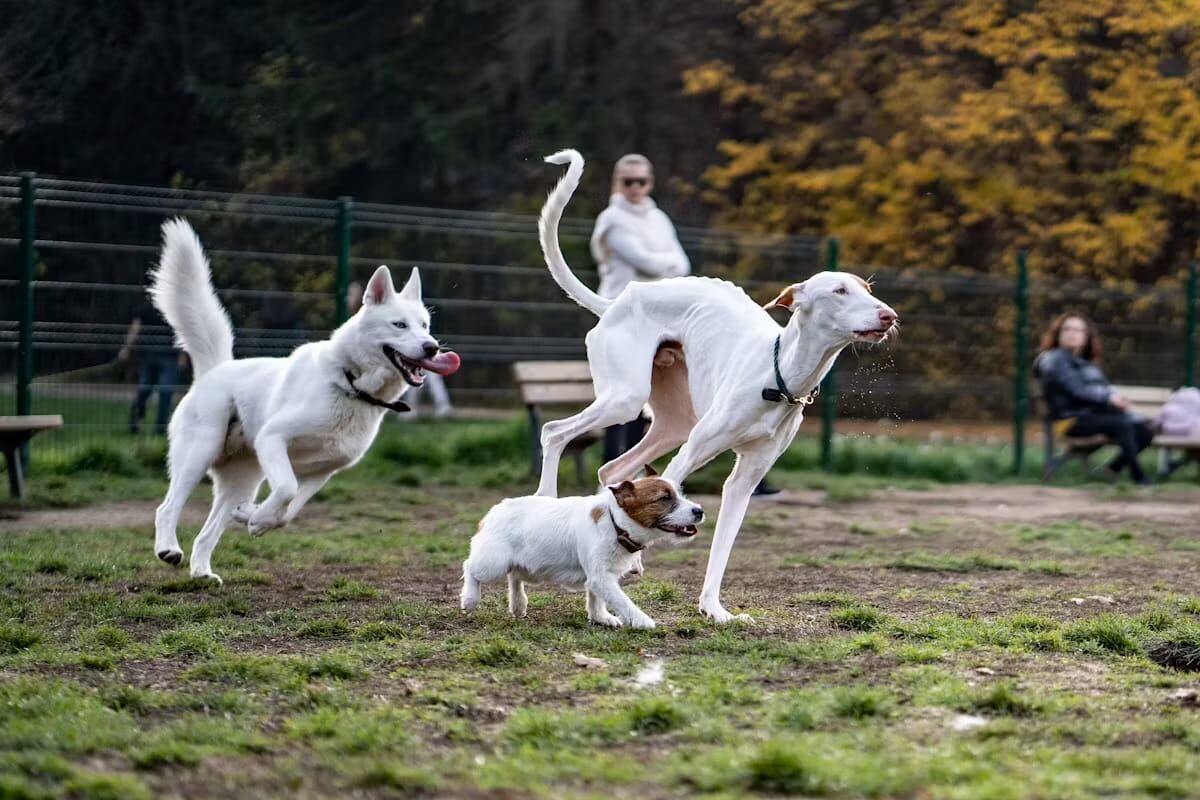
Dog parks are one of the most polarizing tools in dog ownership: for some dogs they're a genuine source of joy and exercise, and for others they're a stressful, occasionally dangerous environment that does more harm than good. The difference usually isn't the park itself — it's whether the dog was a good fit for off-leash group play in the first place, and whether the humans involved know how to read what's happening.
Is your dog actually a good fit?
Not every friendly dog is a good dog-park dog, and that's not a failure on the dog's part. Good candidates are dogs that are reliably comfortable being approached, sniffed, and occasionally body-slammed by dogs they've never met, and that recover quickly if a interaction gets briefly tense. Dogs that are fearful, resource-guard toys or space, are still building basic social skills, or have a history of reactivity on leash are usually better served by structured one-on-one playdates with known, compatible dogs — the free-for-all format of a busy dog park adds unpredictability that undoes rather than builds confidence for these dogs.
Read arrival behavior before you unclip the leash
The first thirty seconds after entering matter more than people tend to think. A dog that goes stiff, freezes, or fixates hard on one dog after entering the gate is telling you something before any interaction has even happened. Watch the whole group's body language for a moment from just inside the gate rather than unclipping immediately — loose, bouncy movement with frequent play bows across the group is a good sign; a park that's gone quiet and tense, or one dog being ganged up on or avoided by the group, is a reason to keep the leash on and reassess.
The etiquette that prevents most problems
- Match energy and size groups when possible. Many parks split small-dog and large-dog areas for good reason — a boisterous adolescent Labrador and a nervous ten-pound terrier are rarely a safe match, regardless of good intentions on both sides.
- Keep your eyes on your dog, not your phone. Most preventable incidents are caught in the early stiffening-and-staring phase, which lasts only a few seconds before it escalates — that window is missed if you're not actually watching.
- Leave toys and high-value food at home, or ask before bringing them. Resource guarding around a single ball or toy is one of the most common triggers for otherwise-friendly dogs to snap at each other.
- Don't let your dog rush every newcomer at the gate. Mobbing every dog that enters is overwhelming even for social dogs, and it's genuinely frightening for a nervous dog on the other side of the gate.
- Pick up after your dog, every time. It's basic courtesy, and shared parks lose community goodwill — and sometimes get closed — over exactly this.
Warning signs it's time to leave
Stiff, still bodies with hard staring; raised hackles that spread down the whole back rather than just the shoulders; a tail held high and vibrating rather than loosely wagging; growling that doesn't stop when the other dog backs off — any of these are signs of real escalation, not normal rough play. Recognizing the subtler versions of these signals is the same skill set covered in our guide to reading canine stress signals, and it applies just as much at the dog park as anywhere else.
If you see these signs, don't wait to see how it resolves on its own — call your dog, leash up, and take a break or leave. There's no prize for staying the full hour if the group energy has turned.
If your dog is the one struggling
If your dog is consistently the one hiding by the fence, being targeted, or getting overwhelmed, the dog park probably isn't building the social skills you're hoping for — it may be doing the opposite. A dog that's currently working through fear or leash reactivity is usually much better served by the gradual, controlled approach described in our leash reactivity guide than by repeated exposure to an unpredictable off-leash crowd.
A few practical logistics
Go during off-peak hours the first few times so you can gauge how your dog does with a smaller, calmer group before trying a busy Saturday afternoon. Bring water even if the park has a fountain — shared bowls can spread illness, and it's safer to bring your own. And keep vaccinations current, including for kennel cough, since dog parks concentrate exposure to whatever is circulating locally.