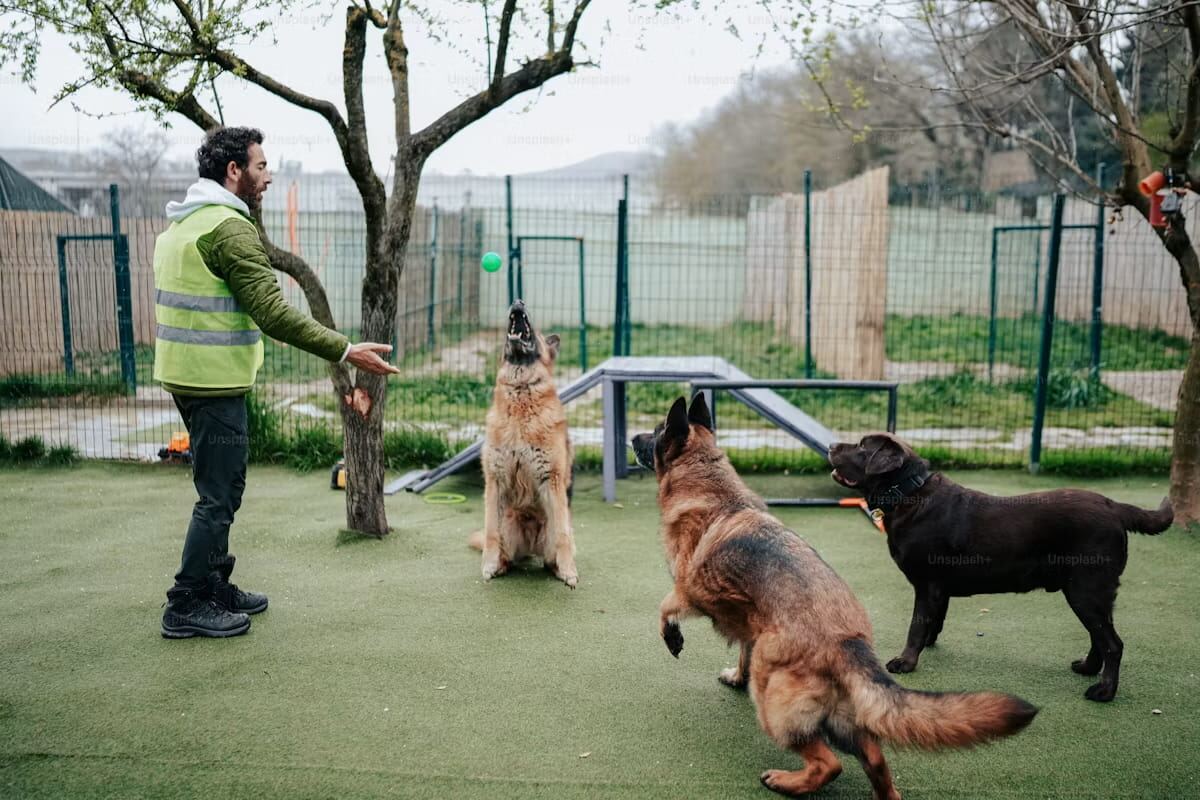
How to Teach a Reliable Recall (Come When Called)
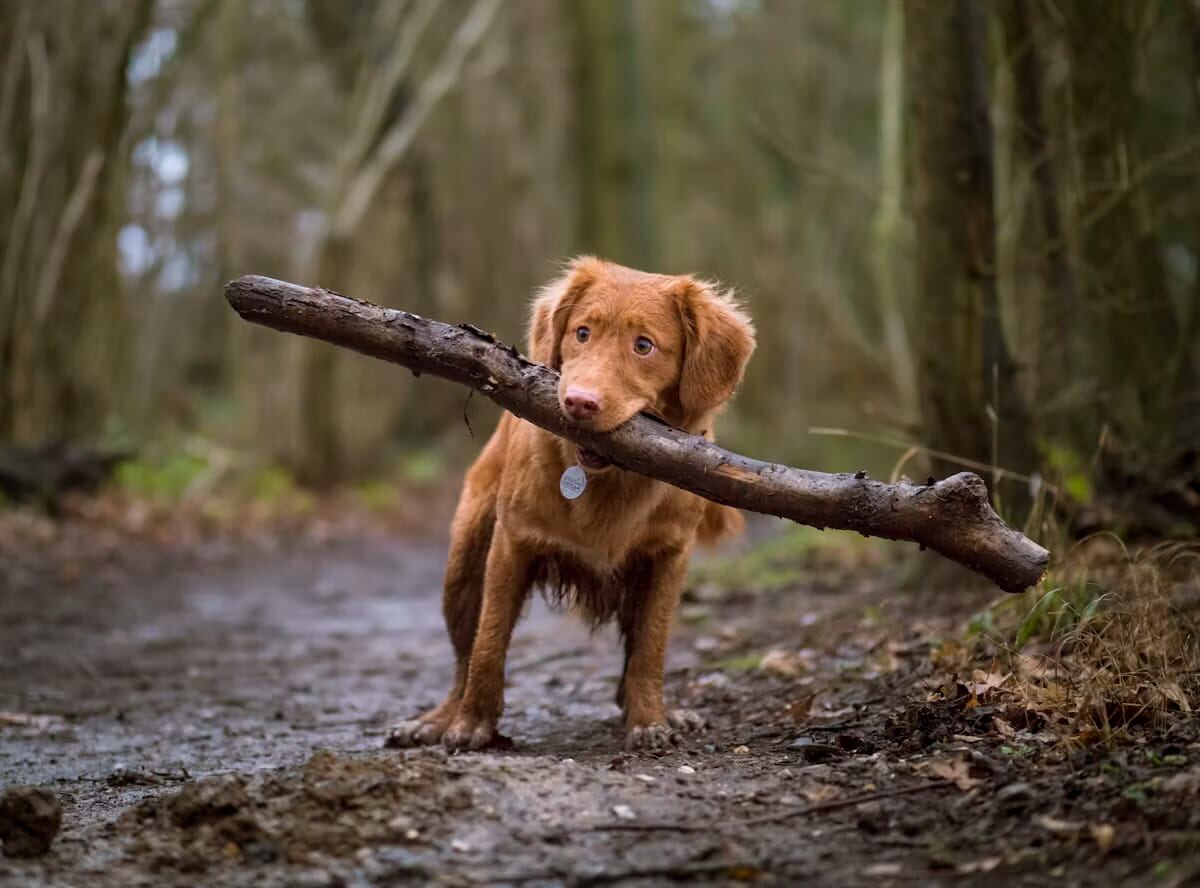
A reliable recall is arguably the single most important safety behavior you can teach a dog, and also one of the most commonly botched — usually because it gets tested against real-world distractions before it's actually ready for them. Built correctly, in the right order, recall becomes one of the most dependable commands a dog knows rather than one that only works when nothing more interesting is happening.
Start with a word that has no baggage
If "come" has already been used inconsistently — called out in frustration, followed by something unpleasant like nail trims or the end of a walk — it may already carry a negative association. Many trainers recommend starting fresh with a new cue (some use "here" or a name plus a whistle) so the word only ever predicts good things from day one.
Build value for the word before you ever need it
Before recall is used to interrupt anything, spend several short sessions just charging the cue: say the word, then immediately deliver a high-value treat, regardless of what the dog was doing. Do this ten to fifteen times a session, several sessions, in a boring, distraction-free room. The goal at this stage isn't obedience — it's classical conditioning, making the word itself predict something great.
The three dials: distance, distraction, duration
Recall training fails most often because owners increase difficulty on more than one dial at once — testing a longer distance and a bigger distraction on the same day the dog is still building the basic skill. Increase only one variable at a time, and only once the current level is close to 100% reliable.
- Distance — start at three feet indoors, then gradually extend across a room, then a fenced yard, then an open field on a long line.
- Distraction — begin with zero distractions, then add mild ones (a family member walking by), then bigger ones (another dog, food on the ground), always on a long line until reliable.
- Duration — how long the dog has to hold attention and travel toward you; keep early recalls very short and build gradually.
Never call a dog to something unpleasant
This is the single most common way owners accidentally poison their own recall cue. If a walk is ending, a bath is coming, or a nail trim is next, don't use the recall word to get the dog to you — walk over and get them, or use a different cue entirely. The recall word needs a spotless track record of predicting good things, indefinitely, not just during training.
The long line: the missing tool in most failed recall attempts
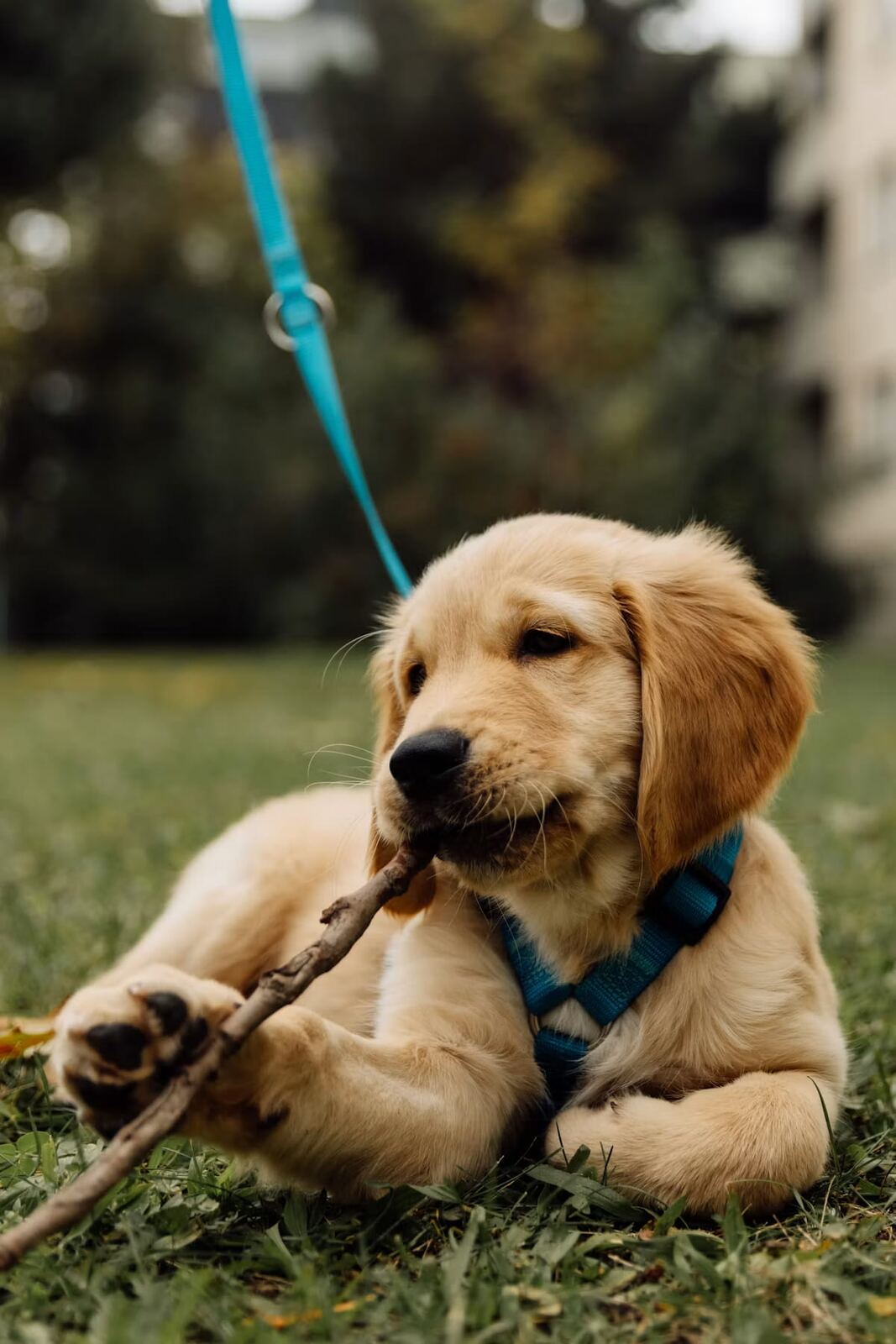
A 15 to 30 foot training long line, clipped to a harness, is what allows you to safely practice recall in semi-distracting outdoor environments without risking the dog actually getting away and self-rewarding by ignoring you successfully. Every recall a dog "gets away with" ignoring makes the next one less likely to work — the long line exists specifically to prevent that from ever happening during training.
Make the return worth it, every single time
Once the dog reaches you, the payoff should be better than whatever they left behind — several small high-value treats delivered one after another (a "jackpot"), genuine enthusiasm, sometimes a release back to play afterward rather than immediately clipping the leash and ending the fun. A recall that reliably ends something enjoyable will predictably get weaker over time.
A realistic progression timeline
Most dogs need several weeks of short, frequent sessions before a recall is dependable around real distraction, and a genuinely reliable off-leash recall in unpredictable environments can take a few months of consistent practice. Rushing the distraction dial before distance and duration are solid is the most common reason recall training stalls.