Leash Reactivity: Why Dogs Lunge and Bark at Other Dogs
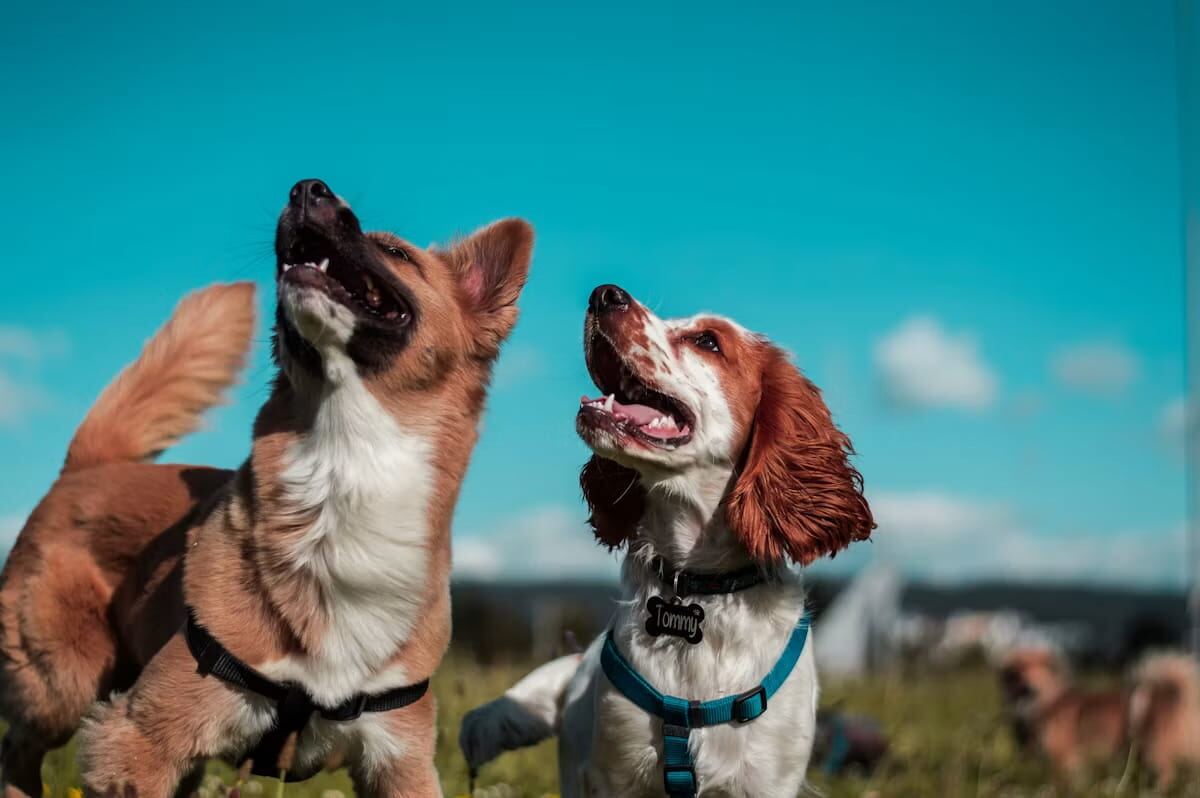
A dog that's relaxed and social at home or in the yard can turn into a lunging, barking, leash-straining mess the moment another dog appears down the street. It's one of the most common behavior complaints trainers hear, and it's also one of the most misunderstood — most leash-reactive dogs aren't aggressive in the way owners fear. Here's what's actually happening, and the approach that reliably reduces it.
Reactivity usually isn't aggression
The behaviors look alarming — barking, lunging, snapping the leash taut — but in the large majority of cases the underlying driver is frustration or fear, not a genuine intent to fight. A frustrated-greeter dog wants to reach the other dog and can't, because the leash holds them back; the arousal that builds up looks a lot like aggression from the outside but comes from a very different place than a fear-based reaction, where the dog is trying to increase distance from something that feels threatening. Both patterns get labeled "reactive," and telling them apart matters for choosing the right approach.
Why the leash itself makes it worse
Off leash, a dog has options: approach, curve away, disengage, circle around. On leash, all of those options disappear, and the dog is stuck at a fixed distance decided by a human holding the other end. Frustration and fear both intensify when an animal loses the ability to control its own distance from something — which is a large part of why so many dogs that play fine off leash at a park still struggle badly on a leash walk.
Trigger stacking: why it seems to come out of nowhere
Reactivity often looks unpredictable because it's rarely caused by one thing in isolation. A dog that's already a little stressed from a loud garbage truck, a hot afternoon, or a bad night's sleep has less capacity left to stay calm when another dog appears — the same trigger that gets shrugged off on a good day tips things over on a stacked day. Noticing your dog's baseline stress before a walk even starts helps explain reactions that otherwise seem to come from nowhere.
The core training approach: counter-conditioning below threshold
The most effective, well-supported approach pairs the sight of another dog — while still far enough away that your dog stays under threshold — with something genuinely good, usually high-value food delivered the instant the other dog is noticed. Over many repetitions, the appearance of another dog starts to predict good things happening near you, rather than predicting a scary or frustrating standoff. This is slow, deliberate work, not a quick fix achieved in a single walk.
Practically, that means: notice the other dog before your dog reacts, create distance immediately if needed, and mark and reward calm attention rather than waiting to see if a reaction happens. Basic markers and rewards work the same way described in our foundational obedience guide — reactivity training is really an extension of the same mechanics, just applied to a harder context.
What tends to make it worse
- Tightening the leash reflexively. Leash tension itself is a well-documented trigger — a tight leash communicates your own tension down the line and can physically restrict the dog's normal head and body movement, both of which escalate rather than calm the situation.
- Punishing the bark or lunge. Correcting the visible reaction without addressing the underlying frustration or fear tends to suppress the warning signals without changing how the dog actually feels — which can produce a dog that reacts less predictably rather than one that's genuinely calmer.
- Forced greetings "to get it over with." Letting a reactive dog meet another dog nose-to-nose to "work it out" is one of the more common well-meaning mistakes, and it frequently makes the next encounter worse, not better.
Management while you're training
Training takes time, and it's reasonable — encouraged, even — to manage the environment in the meantime rather than expose your dog to repeated over-threshold encounters that undo progress. Crossing the street early, choosing quieter walk times, or using visual barriers (a parked car, a hedge) to reduce sightlines all count as legitimate tools, not admissions of failure. The goal during the management phase is simply avoiding rehearsal of the reaction while the underlying training does its slower work.
Equipment worth considering
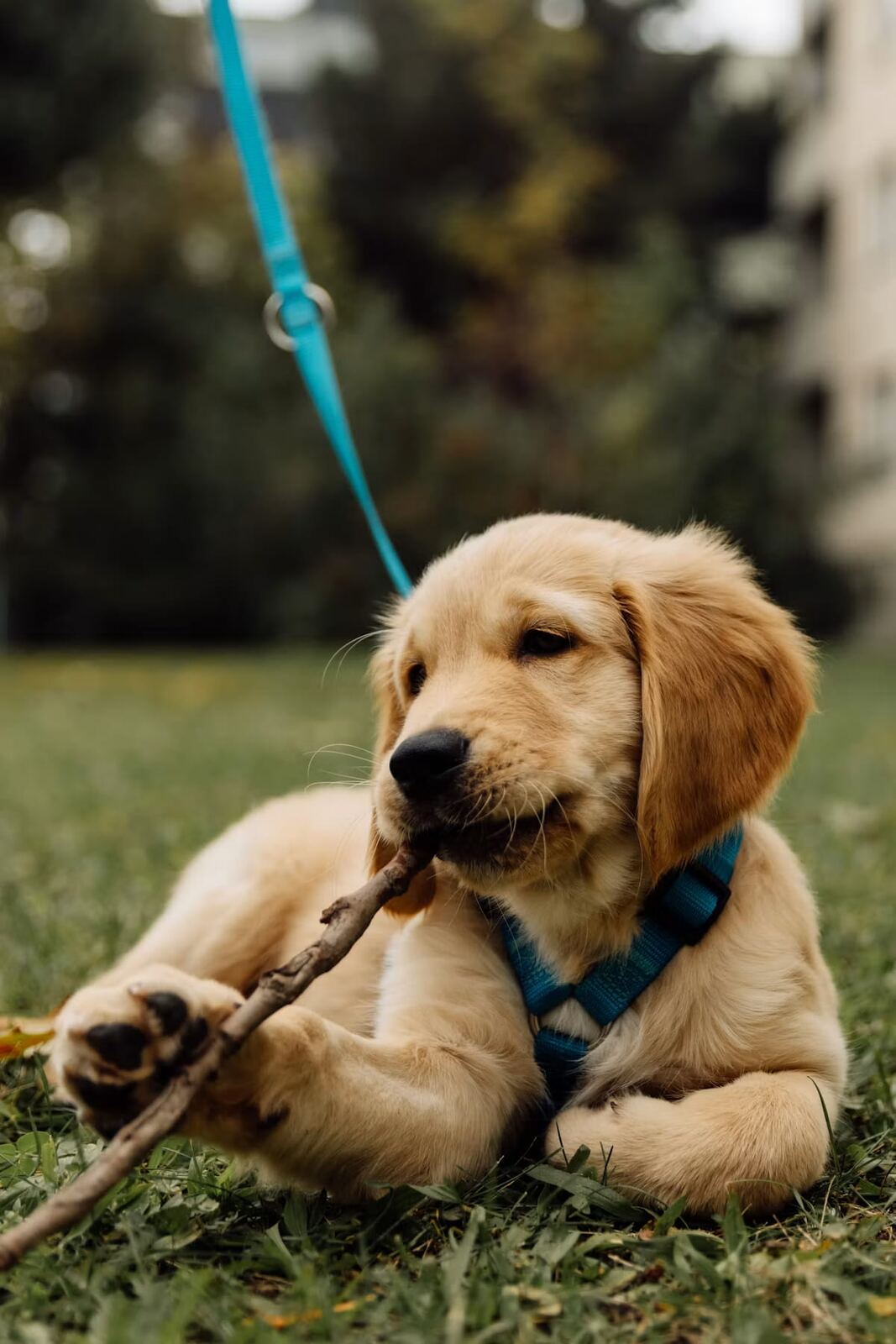
A well-fitted front-clip harness gives more physical control during a reaction without the risks associated with corrections at the neck, and can make the difference between a manageable moment and a genuinely dangerous one if a strong dog lunges hard. See our gear guides for harness and leash options suited to different dog sizes and pulling strength.
When to bring in a professional
Reactivity that involves actual contact with another dog, that's intensifying despite consistent below-threshold training, or that makes walks genuinely unsafe is worth a certified professional trainer or veterinary behaviorist rather than continued DIY troubleshooting — particularly because misreading fear-based reactivity as simple stubbornness, or the reverse, tends to send owners toward the wrong fix.