Understanding your dog's behavior, one issue at a time.
Why dogs do what they do, and practical, science-informed ways to address the behaviors that come up in everyday life.

Counter Surfing: Why Dogs Do It and How to Stop It
Why counter surfing is one of the most self-rewarding habits a dog can develop, and the management-plus-training approach that actually breaks it.

How to Introduce a New Dog to Your Resident Dog
A neutral-territory, body-language-first introduction process that reduces the chances of a rocky start between your current dog and a new one.
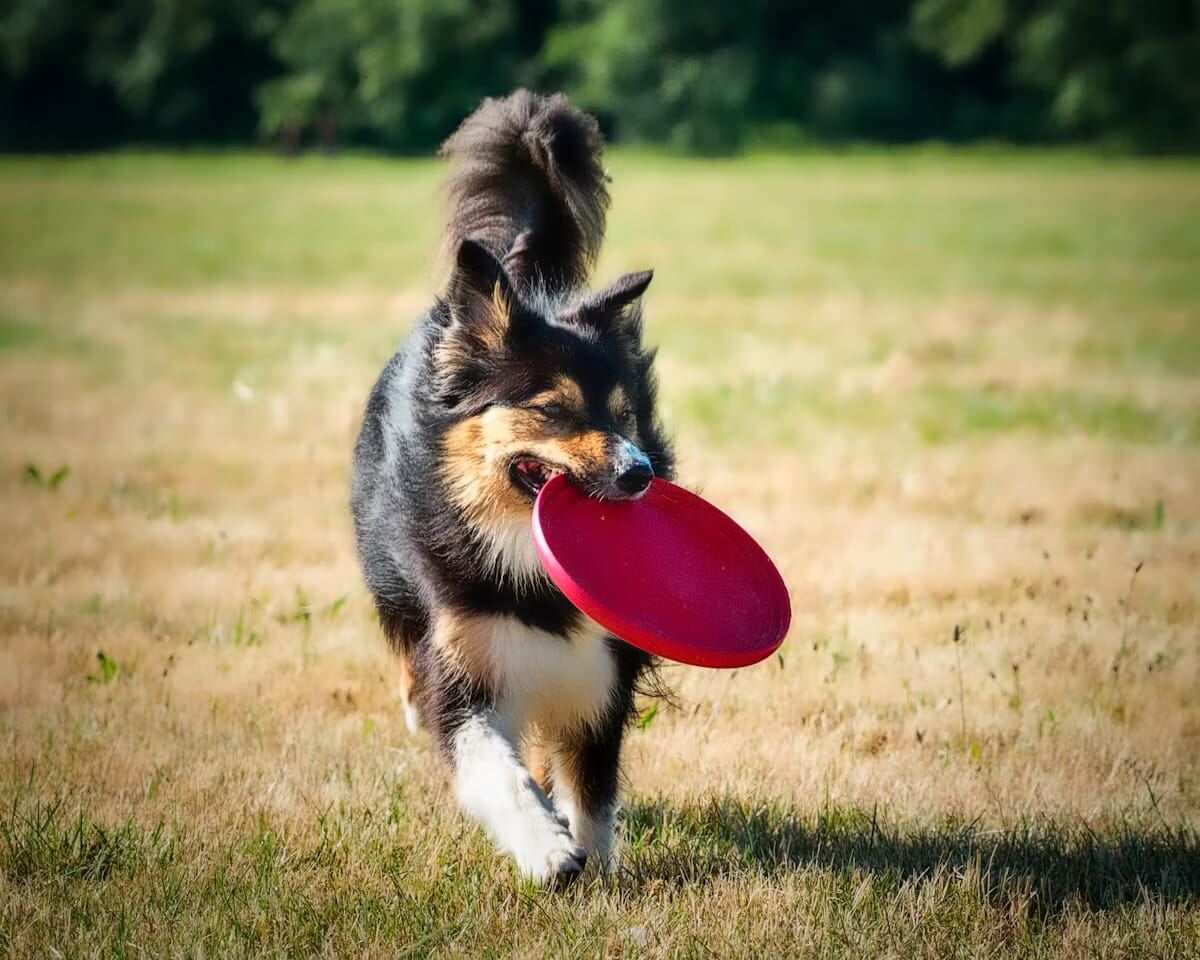
How to Socialize an Adult Dog That Missed Early Training
The critical socialization window closes early, but adult dogs can still build real comfort with new experiences through a slower, deliberate process.
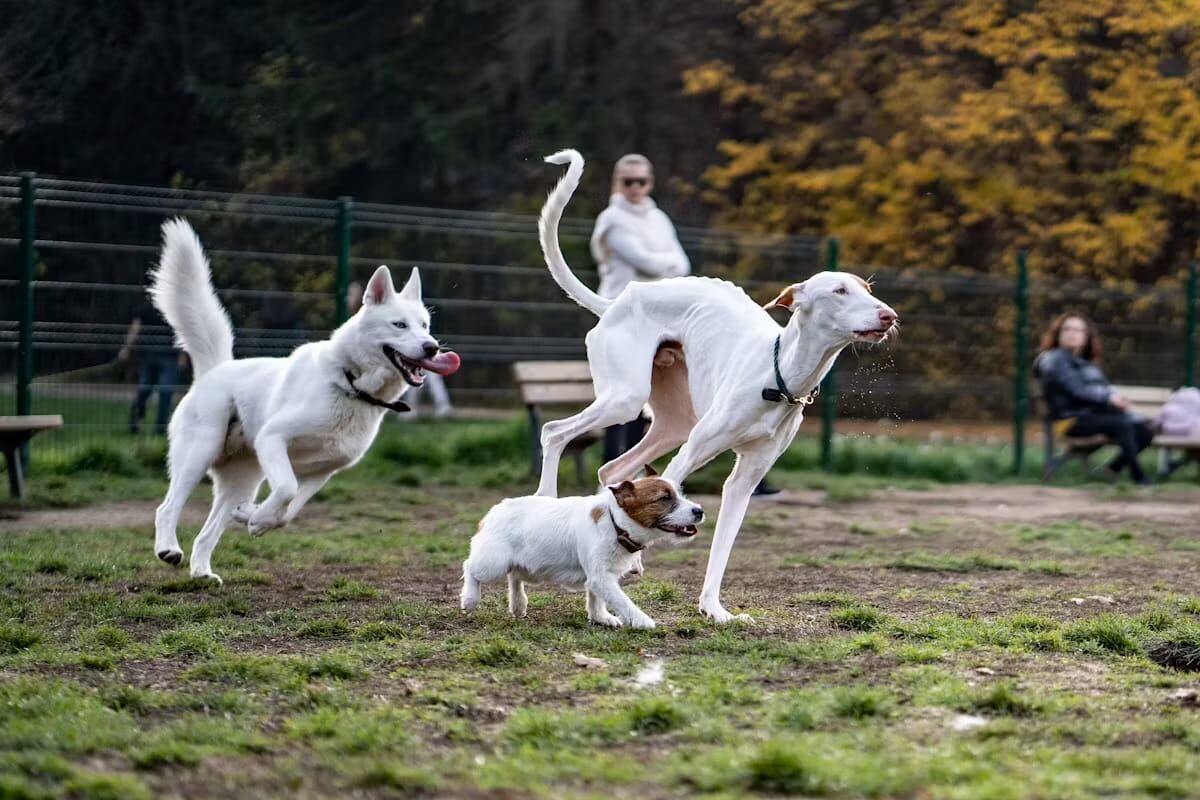
How to Stop a Dog From Jumping on Guests
Why dogs jump to greet people, and the training approach — management plus reinforcing four paws on the floor — that actually fixes it for good.
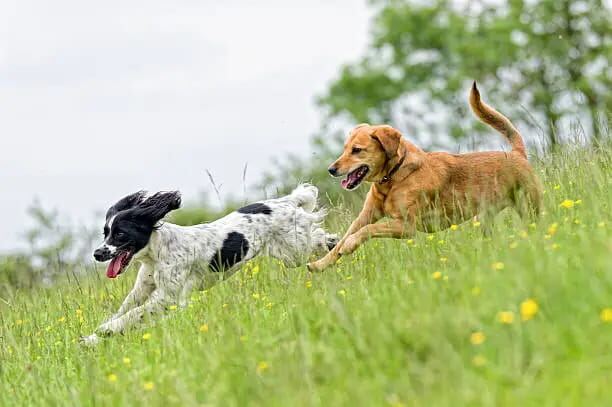
How to Stop a Puppy From Biting
Why mouthing is normal puppy behavior, and the exact steps to redirect it without harsh corrections.

Marking Behavior Indoors: Why It Happens and How to Stop It
The difference between marking and a house-training accident, why it happens, and a practical plan — management, neutering, and training — to stop it.
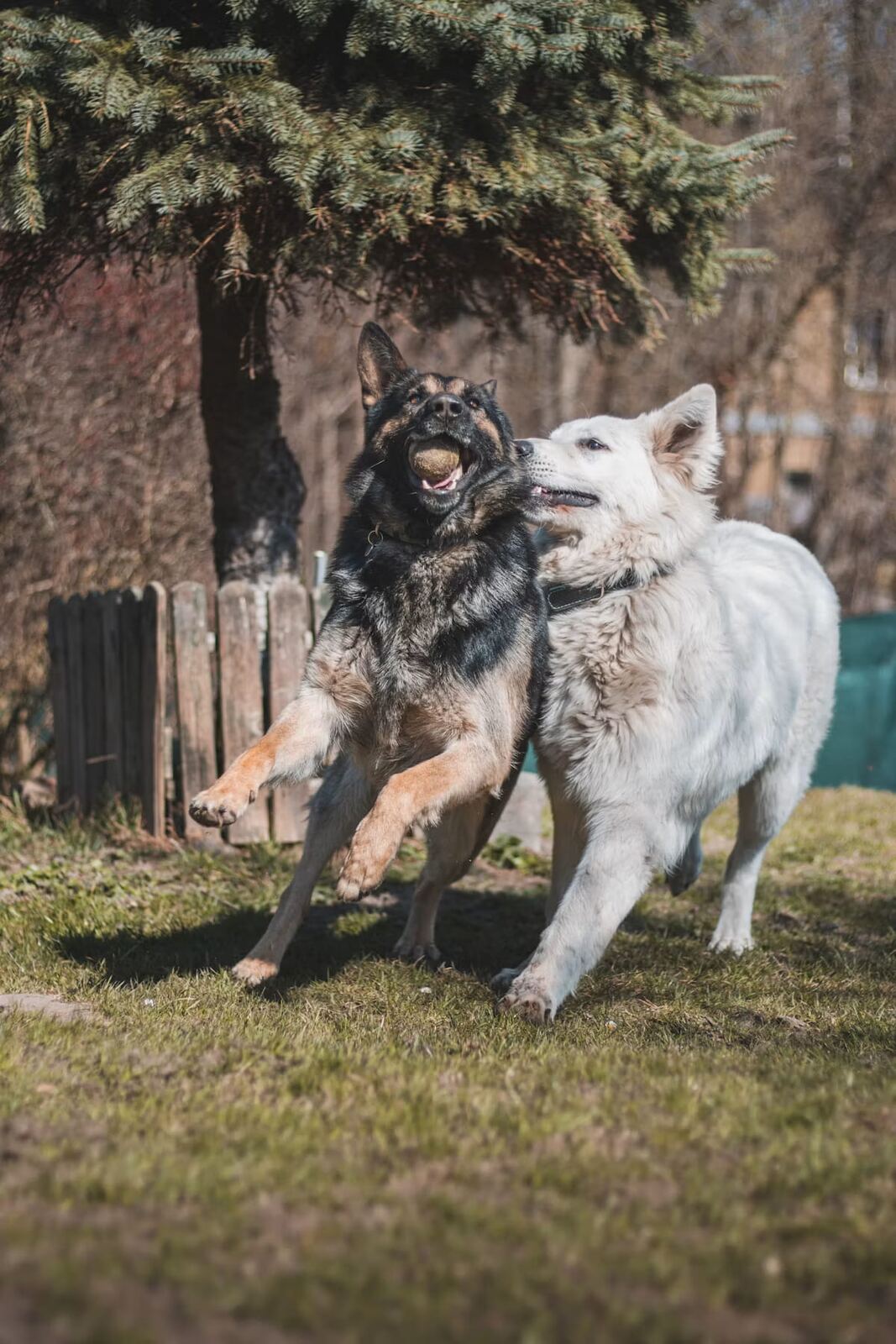
Resource Guarding in Dogs: What It Looks Like and How to Address It
How to recognize resource guarding early, why trading beats taking things away, and when guarding needs professional help.

Signs of Separation Anxiety in Dogs
How to tell normal alone-time boredom apart from real separation anxiety, and the structured approach that actually helps — not just crossing your fingers.

Submissive Urination in Dogs: Causes and What Helps
Why some dogs urinate during greetings or when scolded, why punishment makes it worse, and the confidence-building approach that actually helps.

Thunderstorm and Fireworks Anxiety: What Actually Helps
Why noise phobias in dogs tend to worsen without intervention, and the combination of management, desensitization, and tools that genuinely helps.
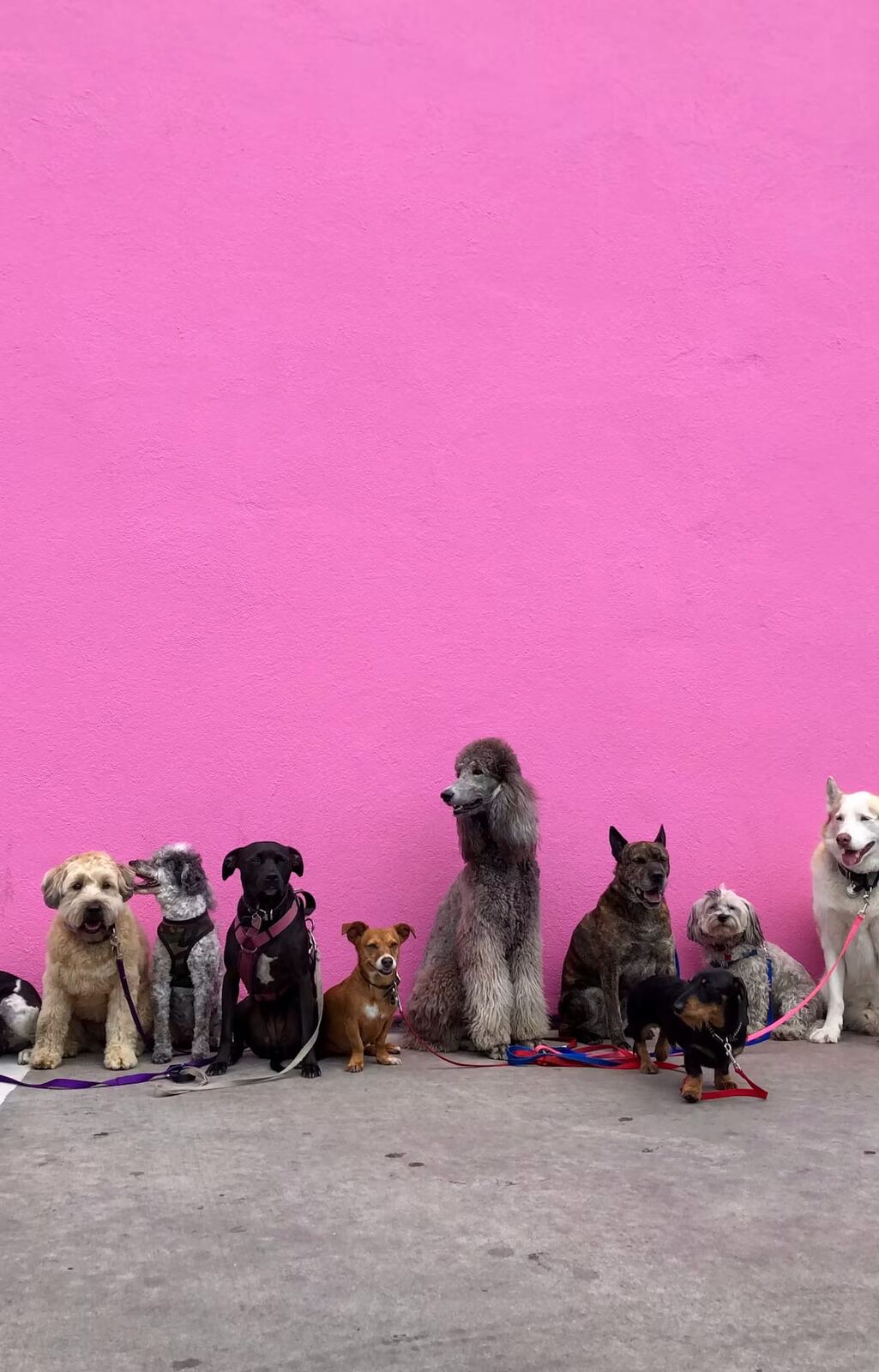
Why Does My Dog Bark at Everything? (And What to Do)
The five real reasons dogs bark excessively, how to tell them apart, and the training approach that actually reduces barking for each one.

Why Dogs Dig, and How to Redirect It
The real reasons behind digging — from boredom to instinct to temperature-seeking — and how to redirect it instead of just fencing off the yard.

Why Is My Adult Dog Suddenly Anxious or Reactive?
A sudden behavior change in a previously stable adult dog usually has an identifiable cause — medical, environmental, or a missed trigger. How to find it.
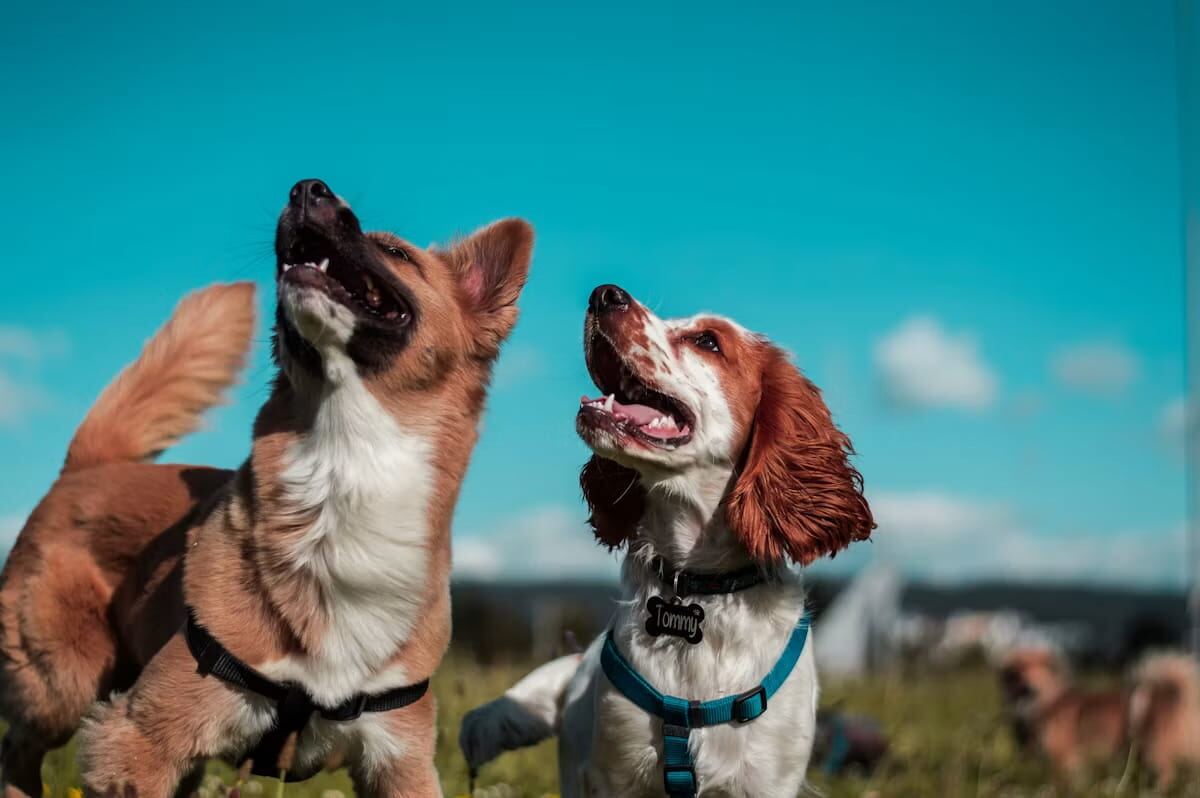
Leash Reactivity: Why Dogs Lunge and Bark at Other Dogs
Why so many otherwise friendly dogs turn into lunging, barking messes on leash around other dogs — and the training approach that actually reduces it.
Dog Park Safety and Etiquette Every Owner Should Know
How to tell if the dog park is actually a good fit for your dog, the etiquette that prevents most fights, and the warning signs to leave before something goes wrong.